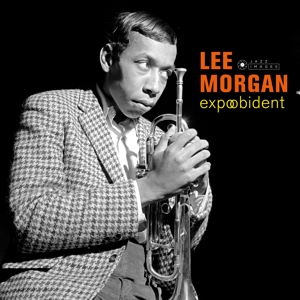
EAN: 8436569193716
Kat.č.: Y13159
Distribútor: import4
Vydavateľ: Jazz Images
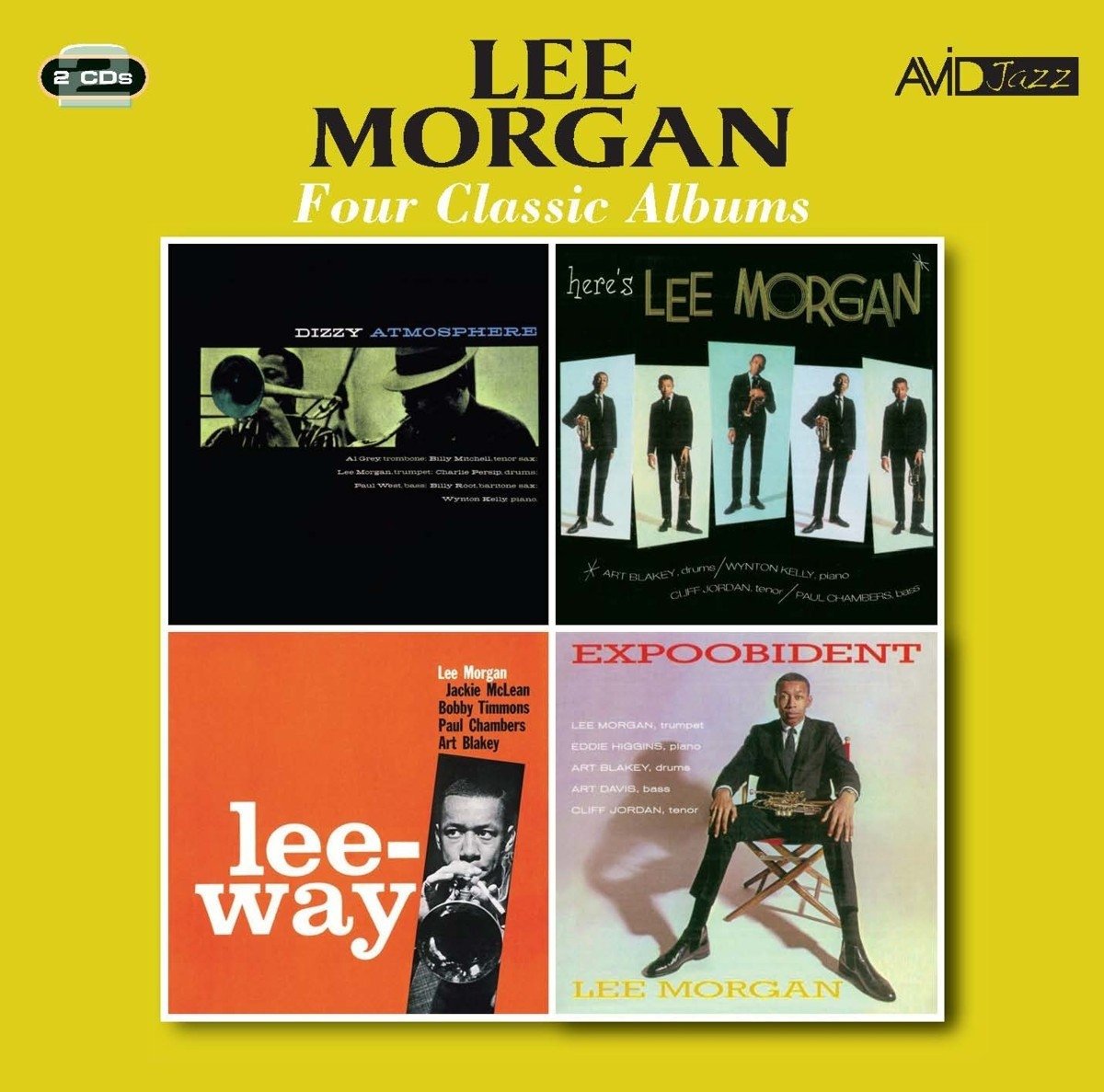
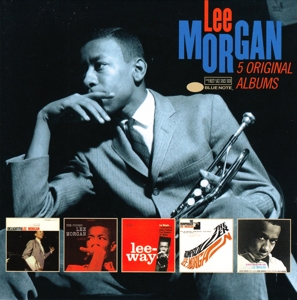
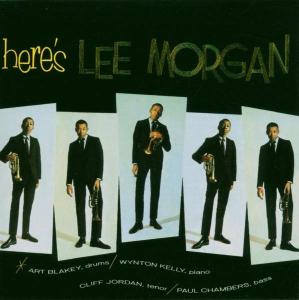
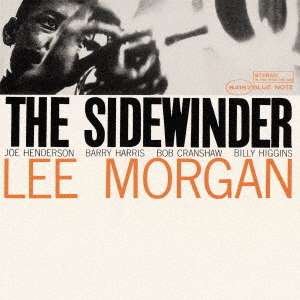
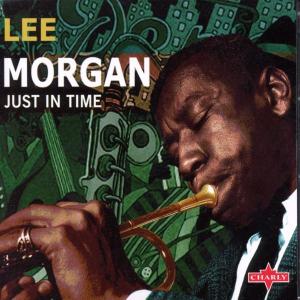
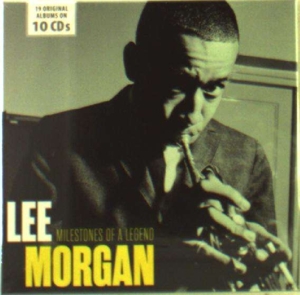
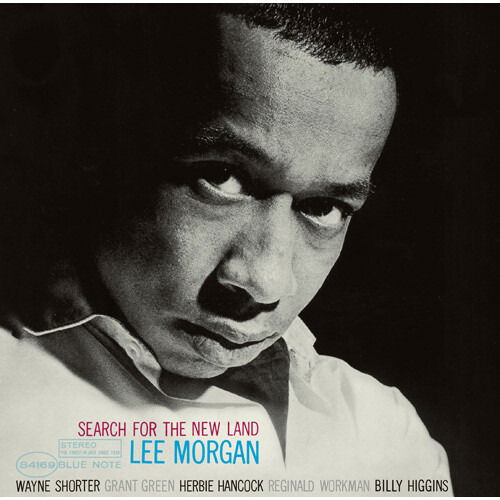
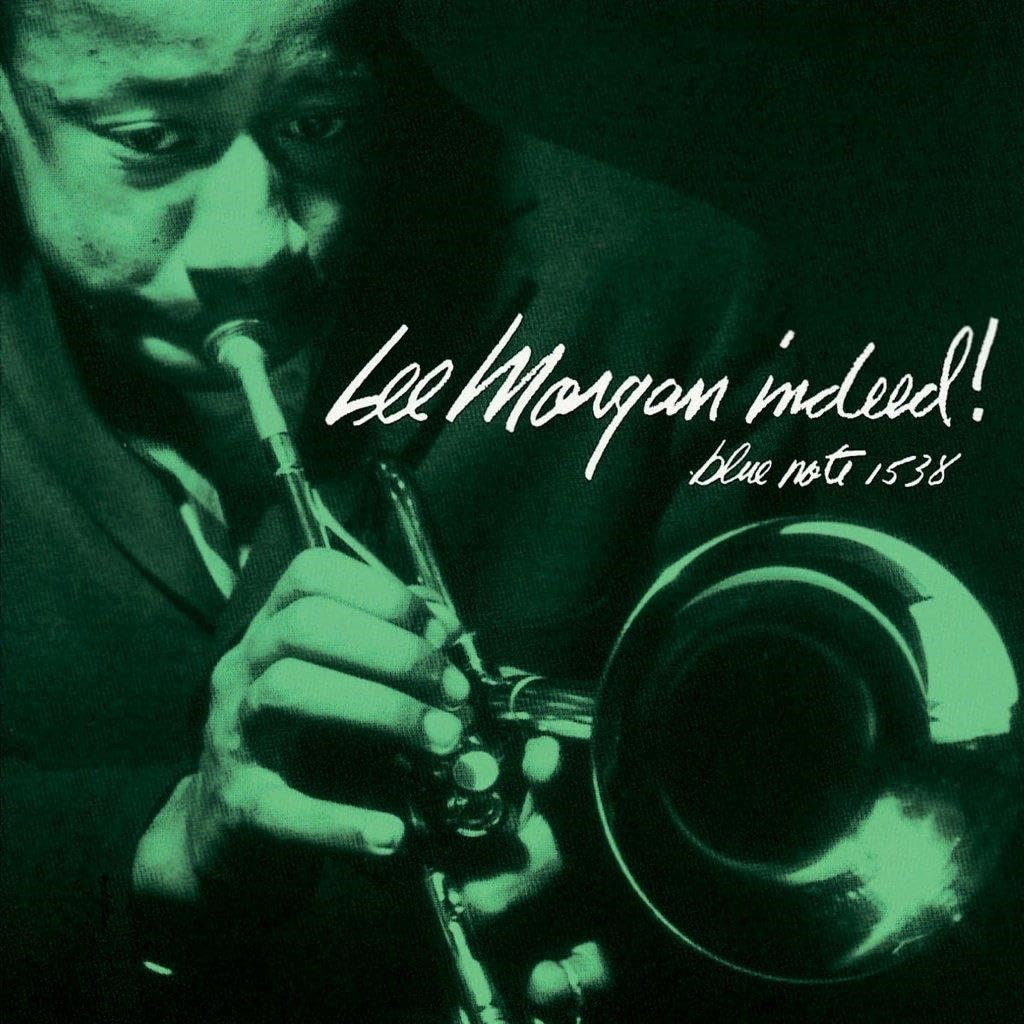
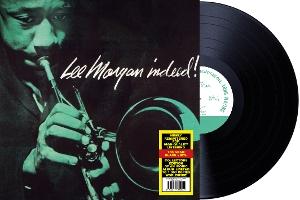
Born in Philadelphia on July 10, 1938, Lee Morgan’scareer lasted from the mid-1950s to the early1970s. Originally interested in the vibraphone, heeventually showed a growing enthusiasm for thetrumpet. His primary stylistic influence was CliffordBrown, who gave the teenager a few lessons beforehis untimely death in a car accident. Morgan joinedthe Dizzy Gillespie big band at 18, and remained amember for a year and a half, until the group wasforced to disband in 1958. He began his recordingcareer as a leader in 1956 for the Blue Note label. Hewould record a total of 25 albums for the company.Morgan joined Art Blakey’s Jazz Messengers in 1958,where he further developed his talents as a soloistand composer. Blakey is heard along with Morganin Expoobident, presented here, which features astrong hard bop quintet that also includes EddieHiggins on piano, Art Davis on bass, and CliffordJordan on tenor saxophone. Morgan’s death wastragic. On the evening of February 19, 1972, he wasshot by his girlfriend following an argument betweensets at Slug’s, a popular New York City jazz club. Hewas only 33.
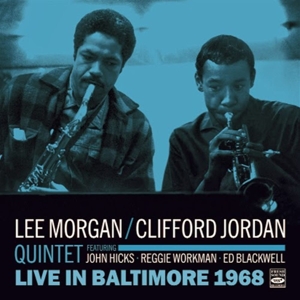
LEE MORGAN, trumpetCLIFFORD JORDAN, tenor saxEDDIE HIGGINS, pianoART DAVIS, bassART BLAKEY, drumsChicago, October 13, 1960.Clifford Jordan out on A2.Original session produced by Sid McCoy.*BONUS TRACK:LEE MORGAN, trumpet; BOBBY TIMMONS, piano;JYMIE MERRITT, bass; ART BLAKEY, drums.Paris, France, December 18 or 19, 1958.[From the soundtrack to the film Des Femmes Disparaissent.]
- 1. Expoobident
- 2. Easy Living
- 3. Triple Track
- 4. Fire
- 5. Just In Time
- 6. The Hearing
- 7. Lost and Found
- 8. Blues Pour Doudou
180GR. / EACH LP HAS ITS STICKER