EAN: 7320470250716
Kat.č.: 2A1516
Distribútor: import4
Vydavateľ: Thanatosis Produktion
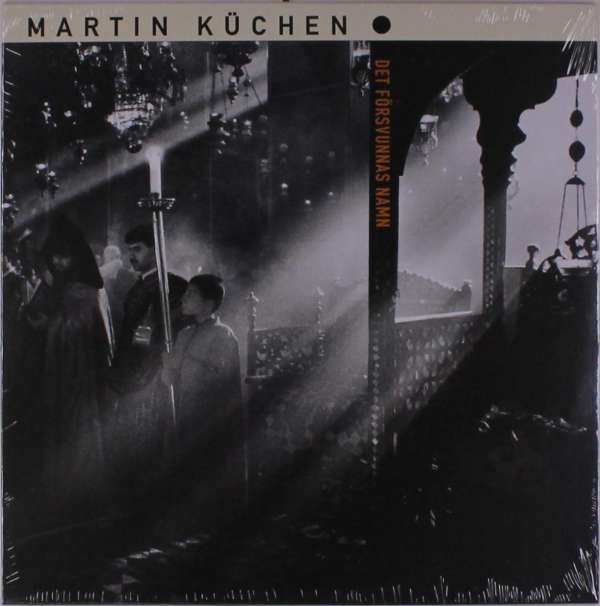
Unusual among contemporary improvisers, saxophonist Martin Küchen has made a practice of incorporating thematic elements, generally of an historic, even narrative nature, into his explorations, using this approach to generate a powerful, often dark, emotional impact. This release, the last in a trilogy that began with ‘Hellstorm’ and continued with ‘Lieber Heiland, laß uns sterben’, includes various points of historical reference, including the 1931 demolition of the Holy Saviour Church in Moscow. Although technically a solo recording, Küchen uses a number of approaches ancillary to his instruments including speakers built into the saxophones, from which one hears music from other sources (including Vivaldi), a tambura and the voice of Trotsky from the early 1920s when he was well-positioned in the Soviet heirarchy. Küchen’s methods on the ten tracks evince a wide range, from the urgent, mournful lines of ‘I’ and others to the whispered, suspicious voices of ‘The wind of the unborn’, to the multi-tracked keypad flutterings evoking a discontented and potentially eruptive crowd in ‘Wasser töten, Luft töten’. This is all woven together to create dire images of a forlorn people in oppressed circumstances with only a slight glimmer of resilience herd in the ghosts of sacred musics.
- 1. I
- 2. The Wind of the Unborn
- 3. Sheer Life Asleep
- 4. Unexit Here
- 5. Det Forsvunnas Namn
- 6. Hippopotami Mit Mensch
- 7. Wasser Toten, Luft Toten
- 8. Lilla Atem Choir
- 9. Ditt Oga I Mitt Oga Sluter Sitt Stjarnvalv
- 10. The 5th of December 1931 02.00 Am